Комората на извршители на Република Македонија избра нови членови на органите на КИРМ.
The Early Regulatory Landscape and the Birth of Legal Gambling in Canada
Canada’s gambling history stretches back to the late 19th century, but the modern regulatory framework began taking shape with the Criminal Code amendments of 1969. Prior to this pivotal moment, virtually all forms of gambling were prohibited under federal law, with only minor exceptions for charitable events and agricultural fairs. The 1969 amendment transferred significant authority over gambling regulation to provincial governments, allowing them to operate lottery schemes and, eventually, other forms of wagering. This decentralization became the defining characteristic of Canadian gambling law and continues to influence the industry’s structure to this day.
Throughout the 1970s and 1980s, provinces established their own lottery corporations, which became the primary legal conduits for gambling activity. Organizations such as the British Columbia Lottery Corporation, the Ontario Lottery and Gaming Corporation, and Loto-Québec emerged as dominant forces, channeling gambling revenues into provincial coffers to fund public services, healthcare, and infrastructure. Land-based casinos began appearing in the early 1990s, with Casino Windsor opening in 1994 and quickly becoming one of the most visited gaming destinations in North America. These developments normalized gambling as a legitimate leisure activity and laid the groundwork for the eventual expansion into online platforms.

Преводот на содржините е целосно автоматизиран
Преводот на содржините е целосно автоматизиран
 Macedonian
 English
 Albanian
Јавни објави за достава


Обука за обучувачи (ТоТ)

Одлуки

Дисциплинска комисија
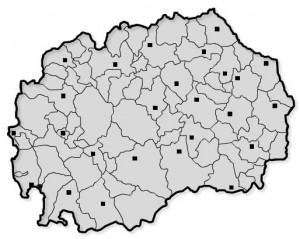
Најди извршител
Огласи за продажба




Академик

Член на Деловен совет

зсрм



Испит за извршители



Најчести прашања


Анкета
 Loading ...